JSP: 5 Common Blunders We Made Ordering Plastic Flasks & HDPE Parts (And How to Avoid Them)
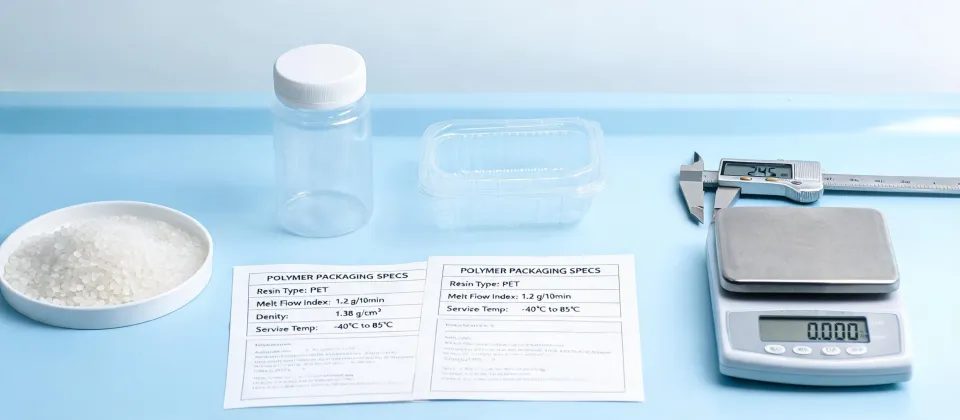
Our Plastic Flask Mistake Hall of Shame
Look, I'll be straight with you. Over the past 4 years handling orders at a medium-sized manufacturer, I've personally approved about $3,200 worth of plastic flasks and HDPE replacement parts that ended up in the trash or needing expensive rework. It's embarrassing. But the upside is that for the last 18 months, we've caught 47 potential issues using a checklist I built out of those failures. So, here are the most common blunders we see when people — including us — order plastic flasks and HDPE work from JSP.
I'm writing this because asking "How to clean HDPE plastic" or "Is JSP website easy to use?" is just scratching the surface. The real headaches are in the specs you didn't know you needed to check.
FAQ: What We Learned the Hard Way About JSP Plastic Orders
1. I just need some plastic flasks. Why is the JSP website asking me for so many specs?
I remember the first time I tried ordering on the JSP store. I thought, "It's just a plastic flask. How complicated can this be?" I skipped the resin grade field and picked a generic HDPE. That was a $890 mistake plus a 1-week delay.
Here's the thing: The JSP website asks those questions for a reason. A plastic flask for a chemical lab needs different resin than a flask for a food-grade kitchen or a simple water storage container. The specs aren't just red tape — they're a promise that the plastic won't leach or crack in your specific use case.
The fix: Don't fight the form. If you're unsure what resin to use, drop the manufacturer a note (or use their chat). But be specific about what you're putting in the flask. It saves a world of pain later.
2. Is ABS plastic strong enough for my replacement part? (And the bigger question I didn't ask)
This was true 10 years ago when ABS was the default for 'tough' plastic parts. Today, the landscape is more nuanced.
People think the key question is about material strength ("Is ABS plastic strong?"). Actually, the question you need to ask is about environmental stress cracking or thermal cycling. The assumption is ABS is strong. The reality is ABS is strong but can be brittle with certain chemicals or UV exposure.
I once ordered 1200 HDPE replacement parts for a packaging line. Checked them myself — looked great. But we caught the error when the parts started warping in a hot washdown cycle. I'd specified HDPE, but not the specific type for high-temp applications. $400 wasted. Lesson learned: always tell JSP the operating environment, not just the material.
3. How do I clean HDPE plastic without ruining it?
The most frustrating part of this question is that most people don't even think about cleaning until after the part is installed. You'd think "HDPE is tough, just scrub it," but the disappointing reality is that abrasive cleaning destroys the surface finish and creates bacterial hiding spots.
To be fair, HDPE is relatively inert. But if you're using it for food-grade flasks or lab equipment, the cleaning method matters:
- Don't use: Abrasive scrub pads or strong solvents (can stress crack the plastic).
- Do use: Mild soap, warm water, and a soft cloth. For tougher stains, a mild bleach solution (1:10 ratio) works well.
I'm not 100% sure on all industrial cleaners, so take this with a grain of salt: if you're cleaning HDPE flasks used for aggressive chemicals, rinse immediately and check the resin compatibility chart. Don't hold me to this, but the savings from using the right cleaner can be in the $500-800 range by avoiding premature replacement.
4. I know I should check the wall thickness, but I was in a hurry. How bad can it be?
Skipped checking final wall thickness because it 'never matters.' That was the one time it mattered. On a 3,000-piece order where every single flask had a thin spot at the bottom — straight to the trash.
I knew I should get written confirmation on the minimum wall thickness for the injection mold, but thought 'we've worked with JSP for years, they know our standard.' That was the one time the verbal agreement got forgotten. $1,100 mistake. Now wall thickness is the first item on my checklist, not the last.
The lesson: Whether you're buying replacement parts or custom flasks from the JSP store, ask for the minimum wall thickness spec in writing. It's a no-brainer that pays for itself.
5. I just want to replace a broken part. Why do I need to worry about 'plastic waste'?
This is less about the part itself and more about the process. People think "plastic waste" is just a recycling problem. Actually, for manufacturing, plastic waste is a cost problem. Every time a flask or part fails because of a missed spec, that plastic waste represents your budget going into the landfill.
There's something satisfying about a perfectly executed rush order for a replacement part. After all the stress of a machine being down, seeing the new part from JSP arrive on time and fit correctly — that's the payoff. The 5 minutes I spend verifying the resin, wall thickness, and cleaning requirements beats the 5 days of correction every single time.
The bottom line: Preventative checks are the cheapest insurance. My 12-point checklist (born from our $3,200 worth of mistakes) has saved us an estimated $8,000 in potential rework. It's a game-changer.