Aftermarket Plastic Replacement Parts: 7 Checks That Would've Saved Me $18,000
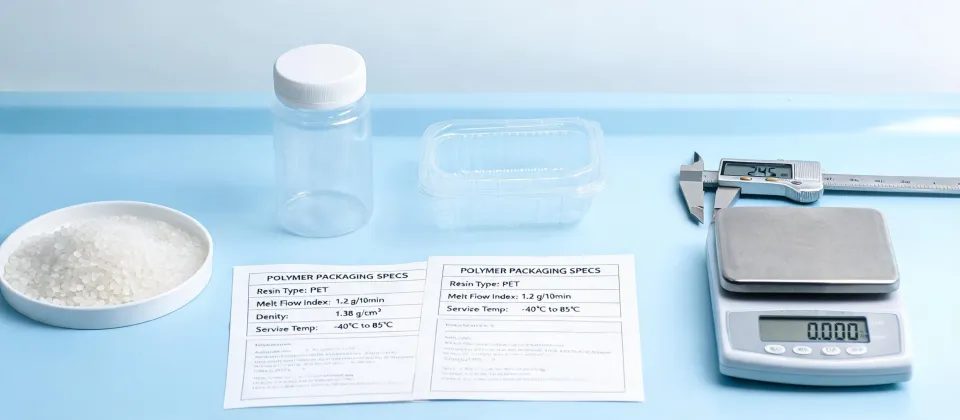
-
Who this is for (and who it isn't)
-
1. Confirm the material grade, not just the name
-
2. Measure the actual part, not just the nominal size
-
3. Know the environment before you pick the material
-
4. Verify tolerances on mating parts
-
5. Confirm the molding process matches the application
-
6. Get a sample before committing to production
-
7. Get a Pantone number for color-critical parts
-
Things I wish someone had told me
I'm a procurement specialist at jsp manufacturing, and for the past six years I've handled aftermarket plastic replacement orders. Lockers, dispenser lids, housings, gears—if it's an industrial thermoplastic part, I've probably sourced a replacement for it.
Let me be upfront: I've personally made and documented 14 significant mistakes in that time. Maybe 15, you take the point. Roughly $18,000 in wasted budget. Not a single one was dramatic. They were all small things—a material assumption, a skipped measurement, a tolerance I didn't ask about. They added up quietly.
That's why I maintain a checklist now. My team works through it before approving any replacement part order. This is that checklist, with the mistakes that earned each step.
Who this is for (and who it isn't)
Use this checklist when you're sourcing a replacement plastic part and you have the original in hand, or at least a drawing and a part number. Seven checks, in roughly the order they'll bite you.
This is not for designing a brand-new part from scratch. That is a different process, and you need an engineer, not a checklist. And if you're buying a $50 one-off, some of these checks are overkill. But if the order is big enough that getting it wrong hurts, work through all seven.
1. Confirm the material grade, not just the name
The part number said "HDPE." I ordered replacement panels based on that part number. The panels arrived, they looked right, the color matched. Three weeks later: cracking.
Turns out the originals were UV-stabilized HDPE. The replacements were basic HDPE. Same material family, completely different grade. HDPE is the standard for plastic lockers because it handles moisture and cold well, but outdoor lockers need UV stabilizers in the resin. The difference between five years and five months of service is in the additive package—not in the part number.
I assumed "same specification" meant identical results across vendors. It didn't. Now I ask for the exact resin grade and the data sheet before approving anything. If a supplier can't tell me what's in the material, that's a red flag.
2. Measure the actual part, not just the nominal size
In 2021, I ordered 72 replacement lids for countertop resin dispensers. Checked the width. Checked the depth. Didn't check the lip thickness. The new lids had a 2mm thicker lip, so they didn't seat properly. 72 lids, $900, straight to the trash.
Now I measure in a specific order: outside dimensions, inside dimensions, wall thickness, hole spacing. All four. For a molded part, "close" doesn't get you a functional replacement—it gets you a frustrated client and a scrap bin full of parts.
3. Know the environment before you pick the material
"Is PP plastic the right material?" is a question I wish more buyers asked before ordering, not after. Polypropylene is a workhorse. It has excellent chemical resistance, good fatigue life, and it's lightweight—that's why living hinges are almost always PP. But PP degrades under UV without additives, and it gets brittle in extreme cold.
I once specified PP for an outdoor housing because it was cheaper per pound than HDPE. Eighteen months later, the housings were faded, brittle, and one had cracked in a cold snap. Should've been HDPE from the start.
HDPE is denser and tougher in cold weather, which is why it dominates outdoor lockers and heavy-duty applications. But before you decide between PP, HDPE, polycarbonate, or any other material, ask four questions: What's the temperature range? Is there UV exposure? Chemicals? Moisture? Each one changes the recommendation.
4. Verify tolerances on mating parts
A $3,200 order for replacement gears. The drawing called for a 12mm shaft hole, but it didn't specify a tolerance, and I didn't ask. The parts came in with a 0.5mm interference on the shaft. Every single item had the issue. That error cost $890 in rework plus a one-week delay.
"Close enough" is the enemy on mating parts. Measure the original with calipers. Specify the tolerance explicitly on the PO. Ask the manufacturer how they plan to hold it. Two sentences on a purchase order can save you a $3,000 mistake.
5. Confirm the molding process matches the application
The same material performs completely differently depending on how it's formed. Injection molding is the standard for industrial replacement parts because it produces consistent wall thickness. Thermoforming is cheaper for large, simple panels, but it creates thin spots at corners and edges. Compression molding is another animal altogether.
I approved a thermoformed panel where the original was injection molded. It looked right. It didn't perform right—the thin corners failed first. The client caught it before installation, but the credibility hit was real.
If the original was injection molded, the replacement should be injection molded too. Exceptions exist, but you should know exactly why you're making one before you do.
6. Get a sample before committing to production
I don't have hard data on industry-wide sample win rates. What I can say anecdotally: in the last two years, half of the problems we've caught on replacement parts were caught at the sample stage. Color shifts, tolerance issues, material mis-grades—all cheaper to catch on one piece than on a thousand.
The 72-lid order I mentioned earlier? A sample would've caught the lip thickness problem immediately. I skipped it because the deadline was tight. Being in a hurry is not an excuse.
We now order samples through the jsp app, which keeps the drawing, the spec, and the approval history in one place. That sounds like boring admin, but it's saved us more than once when a vendor "misremembered" what we approved.
7. Get a Pantone number for color-critical parts
This was my first real mistake. In 2017, I approved a batch of "blue" parts that were visibly the wrong shade. Rejected. Re-molded. Re-billed. About $1,100 in profit gone.
If color matters—lockers, dispensers, anything customer-facing—get a Pantone reference. Industry standard tolerance for brand-critical colors is Delta E < 2, which is essentially invisible to the untrained eye. Ask the manufacturer how they measure color before you agree on a number.
Things I wish someone had told me
A few final notes that don't fit in the checklist:
Treat every new vendor as a new vendor. Each mold shop has its own shrink rates, tooling conditions, and quality control. What worked with your last supplier might not work with the next. Don't assume the same spec produces the same part.
Environmental claims need evidence. Per FTC Green Guides, if you're marketing replacement parts as "recyclable," the claim has to be substantiated. If you can't verify it, don't put it on the label.
Resin prices move. As of Q4 2024, PP and HDPE pricing was relatively stable, but commodity plastics track oil prices. Verify current market rates before budgeting a large run—we've had supplier quotes expire within 30 days.
One more thing: this is all accurate as of my experience through early 2024. Manufacturing methods evolve, and what I learned about thermoforming versus injection molding might shift as new processes come along. Use the checklist, but verify the specifics against current standards and current suppliers.