JSP Resins FAQ: What I Learned About Plastic Jugs, Resin Prices, and Polypropylene vs. Plastic
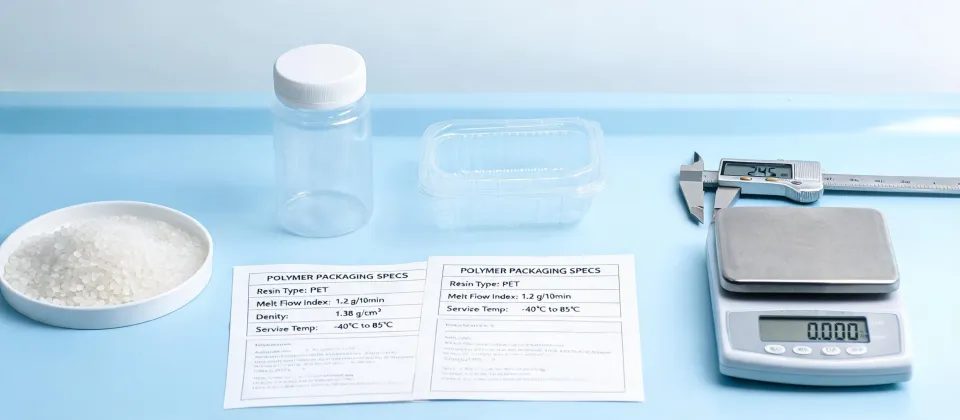
I've been handling sourcing and production orders for JSP resins and custom plastic parts for about 6 years now. Actually, my first year (2018) was a disaster—I made some very expensive mistakes buying plastic jugs and misjudging material specs. This FAQ covers the questions I get asked most often by manufacturing clients, plus a few I wish someone had warned me about.
What exactly is JSP and JSP Resins LLC?
Honestly, this trips up a lot of new buyers. JSP usually refers to the company JSP Resins LLC, which supplies raw resins and plastic compounds to manufacturers. They're not a retail store—you can't just buy a bag of pellets from a website. You typically need a business account (that's what the 'jsp login' you see on their portal is for).
They deal in stuff like polypropylene, polyethylene, ABS, and specialty compounds used in injection molding and extrusion. So if you're looking for 'jsp' in the context of plastic manufacturing, that's the world we're in.
Why do resin prices fluctuate so much, and what's the outlook?
Resin pricing is a rollercoaster, and honestly, it's the most frustrating part of this job. In Q4 2022, we saw polypropylene resin prices jump about 15% in eight weeks because of plant outages and oil price swings. Then in early 2024, prices softened due to lower demand.
So, what drives it? A few key things:
- Feedstock costs: Resin is made from oil and natural gas. When crude moves, resin follows (eventually).
- Supply constraints: Unplanned plant shutdowns or maintenance can tighten supply fast.
- Demand from key sectors: Packaging and automotive are huge drivers. When they slow down, so does demand.
As of my last major buy in mid-2025, prices have been relatively stable but at a higher floor than 2020. If you're budget planning, assume a 5-10% annual increase to be safe (check Plastics News or ICIS for current data).
Is plastic or polypropylene better for my project?
This question comes up all the time, and the short answer is: it depends on what you need. But let's break down a common scenario—plastic jugs.
When people ask 'is plastic or polypropylene better,' they're usually comparing a general-purpose plastic (like HDPE—high-density polyethylene) against polypropylene (PP). Here's what I've found after a ton of testing (and some failures):
- HDPE (plastic jugs): More flexible, better impact resistance at low temps, good chemical resistance. This is what most milk jugs and detergent bottles are made of. It's a little softer.
- Polypropylene (PP): Stiffer, better heat resistance (can be autoclaved or handle hot fills), more fatigue resistance (great for living hinges). It feels 'crisper' and more rigid.
Here's the mistake I made in 2020: I ordered 3,200 polypropylene jugs for a client who needed to store a water-based solution. Looked perfect on paper. But the jugs cracked in cold storage because PP has lower impact strength at low temperatures compared to HDPE. $1,200 worth of inventory gone. Lesson: temperature matters more than you think (gradual_realization).
If you need a general rule: HDPE for impact and cold resistance; PP for hot fills, stiffness, and hinges. If you're still unsure, ask your JSP rep for a TDS (technical data sheet) and compare the specific grades.
How do I find reliable plastic jug suppliers?
Finding the right supplier for plastic jugs is less about Google and more about spec matching. In my experience, the biggest headache isn't finding a supplier—it's making sure the jug you get matches your fill line equipment and cap.
My checklist for jug suppliers:
- Specifications: Neck finish, capacity (oz/ml), wall thickness, material grade. Don't guess—send a sample to the supplier.
- Minimum order quantities (MOQ): Some custom molders want an MOQ of 10,000+ units. Standard jugs from suppliers like Berlin Packaging or TricorBraun can be ordered in smaller lots.
- Lead times: I once had a supplier quote 2 weeks, and it turned into 6 weeks (ugh). Always ask for a confirmed date in writing.
One more thing: most resin suppliers (like JSP) don't sell finished jugs. They sell the raw material to molders. So you'd go to JSP for the resin, then to a molder like a custom blow molder for the jugs.
What's the deal with 'jsp login' and why do I need it?
If you're working with JSP Resins directly, you'll need a vendor portal account—that's the 'jsp login.' It's where you'll find your order history, specs, invoices, and sometimes pricing.
But here's the thing: not everyone needs a login. If you're buying through a distributor (like a plastics supply house), they handle the order. I only set up a direct account after we hit about $50k/year in spend. It made sense for visibility, but honestly, if you're a small manufacturer, going through a distributor is often easier (and they can help spec stuff).
What are common mistakes with plastic replacement parts?
Since JSP also does aftermarket plastic replacement parts, I've seen (and made) some doozies:
- Assuming the original part's material is the best choice. The OEM might have used a specific grade for cost, not performance. When we replaced a part with a glass-filled nylon instead of standard nylon, it lasted 3x longer.
- Ignoring shrink and tolerance. When a molder switches from ABS to polypropylene, the shrinkage rates are totally different. The part might not fit (contrast_insight).
- Not checking impact resistance. I had a client who wanted a replacement lever for a machine. The original was die-cast zinc. We made it in acetal plastic, and it snapped on the first use. Wrong material for the load.
Informed customers make better parts. I'd rather spend 10 minutes explaining material differences than deal with a field failure later (customer_education).
Final thought: what's the one question nobody asks?
Everyone asks about price and material, but nobody asks about testing and validation. On a $3,200 order in 2021, I skipped the line trial because the part 'looked fine.' It wasn't fine—the dimensional tolerances were off, and 1,500 parts were trashed.
So here's my advice: for any custom plastic order, always get a first-article inspection (FAI) or start with a small run. It adds a week, but it saves you from a 1-week delay and $890 in redo costs (pitfall_documenter).
If you have more specific questions about JSP products, jugs, or resin specs, feel free to ask. I probably have a scar from making the mistake you're about to make.