JSP Resins LLC Logins, Polyethylene 101 & What Admin Buyers Actually Need to Know
-
What Does an Admin Buyer Need to Know About JSP?
-
1. How do I log in to the JSP portal?
-
2. What is polyethylene plastic, anyway?
-
3. I keep seeing "liquid resin." What's that about?
-
4. How does ordering through JSP compare to chasing down different suppliers?
-
5. What's the best way to get a quote for a plastic replacement part?
-
6. What's the biggest rookie mistake you see admin buyers make with resin orders?
-
7. Final thought: Why go through the JSP portal at all?
What Does an Admin Buyer Need to Know About JSP?
Look, I manage the purchasing for a mid-sized manufacturing firm. When I took over in 2022, "resins" meant sticky tree sap to me. Polyethylene? Sounded like a sneeze. Now, after processing over 300 orders for industrial thermoplastics, liquid resins, and replacement parts, I've learned some things. Here's the FAQ I wish I had starting out.
1. How do I log in to the JSP portal?
This is the first question everyone asks. The login is at login.jsp.com (or whatever the specific link in your welcome email is). Don't bother trying a generic login; you need the credentials your rep set up. I lost a day once because I used an old bookmark from a vendor I'd dropped two years prior.
If you have trouble, the support team is good, but calling between 9 AM and 11 AM EST is fastest. After 2 PM? Expect to wait. That's just how it works.
2. What is polyethylene plastic, anyway?
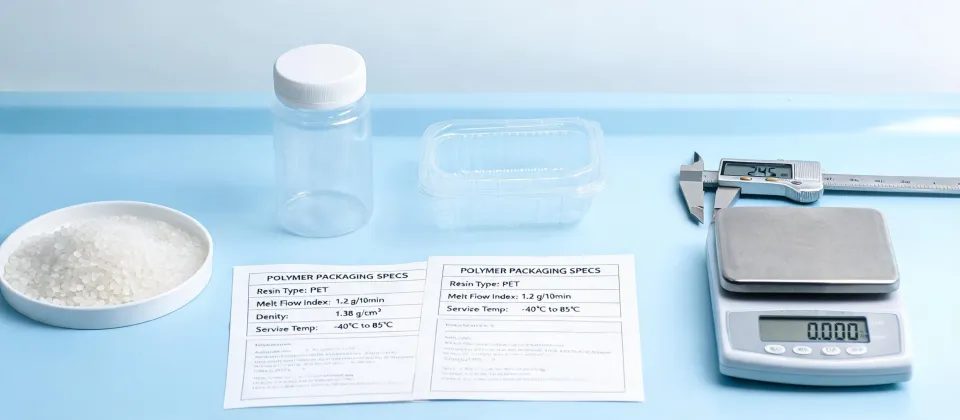
I'm not a chemist, so I can't tell you about polymer chains. What I can tell you is that polyethylene (PE) is the most common plastic in the world. Think milk jugs, grocery bags, and heavy-duty buckets. JSP supplies it in different forms, but for our orders, it's usually a raw resin (little pellets) or a replacement part.
The two types you'll deal with are HDPE and LDPE. HDPE is the stiff, sturdy one. LDPE is the flexible, squeezable one. A vendor once tried to sell me LDPE caps for a part that needed HDPE. The cost me a rush order and an expedited shipping fee when they cracked. So, verifying the material is a big deal.
3. I keep seeing "liquid resin." What's that about?
Good question. Most resins are solid pellets, but liquid resin is a different beast. It's a polymer in a liquid state, often used for coatings, adhesives, or casting. We don't order it often, but when we do, the logistics are totally different.
Key difference: liquid resin requires special handling. The drums need to be stored at a specific temperature and kept dry. One time, a new supplier's order arrived, but the documentation wasn't clear. Our warehouse manager wasn't happy. Now I verify the storage requirements and the MSDS sheet before placing any order for liquid products. It's a headache for us in admin, but it's non-negotiable for safety.
4. How does ordering through JSP compare to chasing down different suppliers?
Here's the experience override. Conventional wisdom says you source from a specialist for each material. For a while, we did that—one vendor for polycarbonate, another for acrylic, a third for urethane. Our accounts payable department hated me.
JSP has a broad material portfolio. We can get polypropylene, polycarbonate, HDPE, polyethylene, and polyurethane through one platform. This isn't just convenient; it's a compliance lifeline. Consolidated orders are easier to track, easier to invoice, and way easier to audit. Our accounting team saved about 8 hours a month on just reconciliation after I pushed orders through JSP.
5. What's the best way to get a quote for a plastic replacement part?
This gets into the technical territory of reverse engineering, which isn't my expertise. What I can tell you from a procurement perspective is: be specific.
Don't just say "I need a pulley replacement." Say "I need a replacement pulley for an industrial conveyor system. The original part number is XYZ-123. Material was black HDPE. The dimensions are roughly 6 inches tall, 2 inch bore, with a keyway."
When I gave JSP that level of detail, they not only quoted a replacement in 24 hours, but they also pointed out that a higher-grade polyurethane version would outlast the HDPE original by a factor of four. I didn't know that. An informed customer asks better questions and makes faster decisions.
6. What's the biggest rookie mistake you see admin buyers make with resin orders?
In my first year, I made the classic rookie error: I approved a quote without checking the lead time for the specific polyethylene plastic grade we needed. It was a standard grade, but the order was placed right before a major industry shutdown. The standard 2-week lead time stretched to 8 weeks.
Learned that lesson the hard way. Now, I always ask, "Is this material in stock for immediate shipment, or is it a made-to-order product?" JSP is usually very transparent about their inventory, but you have to ask the question. A good rep will tell you. A bad one will just process the order you gave them and let it ship late.
7. Final thought: Why go through the JSP portal at all?
Is there an easier way to get a part? Maybe. But the portal gives you a paper trail. No more hunting for hand-written invoices or chasing down reps who left the company. For an admin buyer who has to report to finance, that is worth more than a marginal cost savings on a single order.
Pricing as of Q3 2024 based on my own orders; verify current rates through your rep for the most accurate quote.