Is Resin a Thermoplastic? What Rushing a JSP Mold Taught Me About Materials, Pricing, and Trust
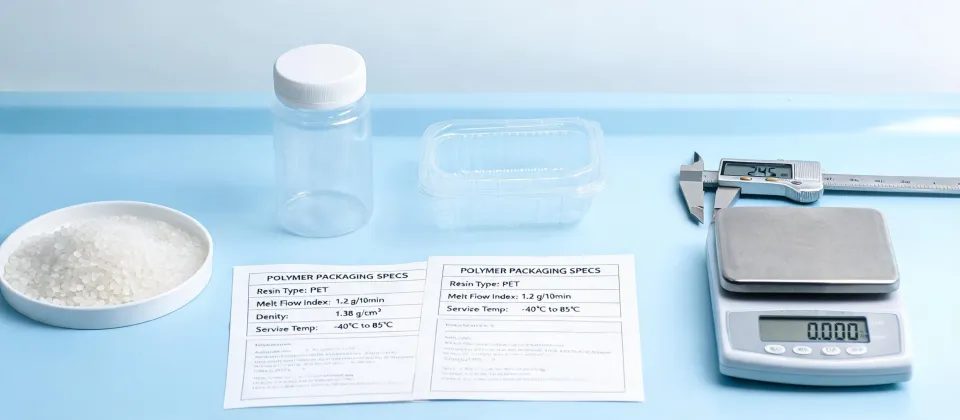
If you're asking 'is resin a thermoplastic?' the quick answer is sometimes. The more useful answer is: it depends on what the resin is made of and how it's processed. If you're ordering a custom part from a plastics supplier, the material question should come after two others: How fast do you need it, and what will it actually do? In eight years at JSP, I've triaged more than 200 rush orders for replacement plastic parts, custom molds, and maintenance components. The cheapest quote has cost clients double every time they skipped that order. Period.
Why I'm the Person Writing This
I'm a production coordinator at JSP, an industrial thermoplastics and custom molding shop. We don't sell plastic owl decoys as a featured product, but we do make the same kind of polyethylene parts that show up in resin furniture, conveyor guides, and one-off replacements. In March 2024, a food processing customer needed an HDPE chute liner overnight. Normal lead time was 18 days. We brought a machinist in, cut a sheet from stock, and had it on a truck by 6 p.m. They paid a rush fee, but their alternative was lost production and a line shut down. Those rush orders ranged from a $400 prototype part to a $22,000 conveyor upgrade.
If you've ever spent a Saturday waiting for a part that didn't show, you know that feeling. That's why I'd rather be direct with you now than smooth things over later.
Is Resin a Thermoplastic? Yes and No, and the Difference Matters
Technically, 'resin' is a broad word for any viscous compound. In injection molding, most resins are thermoplastics: polyethylene (PE), polypropylene (PP), ABS, polycarbonate, nylon. They soften when heated and harden when cooled, so they can be remelted and recycled. Thermosets—epoxy, polyester, some polyurethane—also start as resins, but once cured they crosslink. You can't remelt them.
That difference shows up in everyday products. A 'resin furniture' chair is usually HDPE or polypropylene. It's thermoplastic. A plastic owl bird-deterrent decoy is often rotomolded polyethylene. Also thermoplastic. But fiberglass resin repair is thermoset. If a supplier says 'resin' without telling you thermoplastic or thermoset, ask for a material data sheet. If they can't produce one, that's a red flag.
There's a marketing angle here too. Per FTC Green Guides (ftc.gov), if a product is claimed 'recyclable,' the claim has to be true where a substantial majority of consumers have access. A thermoplastic part is easier to substantiate; a thermoset usually isn't. So 'is resin a thermoplastic?' is not an academic question. It determines whether the part is weldable, recyclable, and likely to survive a machining operation.
Think of thermoplastic as wax: heat it, shape it, cool it, do it again. Thermoset is more like glue in a tube: once it cures, the chemical structure is locked. If you try to heat a thermoset after curing, you don't get a liquid. You get smoke.
What JSP Login Actually Shows You
When I tell clients to check the jsp login in our supplier portal, they sometimes think I'm pushing a login. I'm not. The jsp login shows the same thing every B2B order should show: itemized line items. Period. Honestly, the order history tells me more than the sales rep does.
Most buyers focus on per-unit pricing and completely miss setup fees, revision costs, and shipping that can add 30-50% to the total. I've seen a purchase order approved for a $900 'bargain' polypropylene part that ended up costing $1,400 after tooling changes, expedited freight, and a documentation fee. That's a pattern, not a coincidence. At JSP, we list rush fees and setup costs on the quote before you sign. I've learned to ask 'what's NOT included' before 'what's the price.' The vendor who lists all fees upfront—even if the total looks higher—usually costs less in the end.
People think rush orders cost more because they're harder. The reality: they cost more because they're unpredictable and disrupt planned workflows. Some materials shrink or warp under rushed cooling; that's why a rush mold job needs extra engineering, not just extra labor. That's what the rush fee pays for.
Last quarter alone, we processed 47 rush orders with a 95% on-time rate. The one miss? A material substitution we allowed without written approval. The customer wanted 30% glass-filled nylon for a valve handle; we used unfilled nylon because it was in stock. It worked for about two weeks, then showed stress cracks. We re-made it correctly, covered the overnight freight, and changed our substitution rule. That's why I now treat 'is resin a thermoplastic?' questions as part of a bigger conversation about traceability.
The JSP Mold Question Nobody Asks
When someone searches for 'jsp mold' and lands on our site, they usually mean a custom tool for injecting plastic. A JSP mold isn't a magic block of metal. It's a tool designed around your part and your production quantity. The most common question I get is 'how much does a mold cost?' The better question is 'how many parts will it make before it wears out?'
In 2022, a customer asked for a mold for a replacement armrest. We quoted an aluminum tool at $3,200 and a steel tool at $9,800. They chose aluminum because the project 'wasn't that big.' By the time they'd run 15,000 parts, the tool was done. The steel tool would have lasted 200,000+. That's the outsider blind spot: tooling price matters, but cost per part matters more.
One more thing: don't ask for a mold quote without telling the supplier the annual volume. A mold for 1,000 parts and a mold for 100,000 parts are different machines. The first might be machined aluminum; the second needs hardened steel, cooling lines, and ejector pins. If a supplier quotes a mold without asking for volume, that's a sign the price is either a guess or a blunt instrument.
Also, don't skip the final review. A year ago, I approved a cavity number change without re-reading the part mark. 'It's basically the same as last time,' I thought. It wasn't. The customer's part number got one digit swapped in the mold, and we had to recut steel. That was a $400 fix and a very long weekend. I still hear about it.
If you're in a deadline crunch, the mold is not where you save money. You save money by getting a written confirmation of the material, the dimensions, and the deadline. That's not bureaucracy; it's insurance.
What to Do When You Need a Plastic Part Yesterday
- Make the material decision first. If you ask 'is resin a thermoplastic?' and the supplier answers with a follow-up question—'regular resin or engineering resin?'—you're in good hands.
- Ask for the all-in price in writing before any design work. Speed, quality, price. Pick two, but don't let the third one be a surprise.
- Confirm whether the quoted JSP mold includes vents, slides, and finished texture, or just the basic cavity.
- Check if a new mold is even necessary. Many times we CNC-machine a replacement part from UHMWPE or nylon without building a mold.
- If you can't use the jsp login to see your order history, ask for an itemized breakdown. Anyone can send a PDF; not everyone can explain the numbers.
- Build a buffer. Our company policy changed after a 2023 failure: we quote 48-hour buffered delivery for every rush job. That buffer is what saved my March 2024 customer.
I approved a rush fee on a resin furniture component last quarter and immediately felt sick. Could I have negotiated? Didn't relax until the truck arrived on time and the part matched the sample. That doubt is normal. Verify, don't ruminate.
When Not to Rush
Not every job needs emergency service. If you're ordering thousands of parts for a new product launch, a rushed mold will burn budget and create tolerance problems. If the part is a simple sheet cut, don't pay injection molding rush fees. And if your order is under 25 units, a machined part is often cheaper than a molded one.
JSP's internal data says 95% of our rush orders in the last four quarters arrived on time, but I won't pretend that means every rush is a good idea. A rush is a decision to pay for certainty. If you don't genuinely need the date, you're paying for a date you don't need.