Plastic Thermoplastic Selection: A JSP Field Guide to PC vs PP and Silicone Mold Care
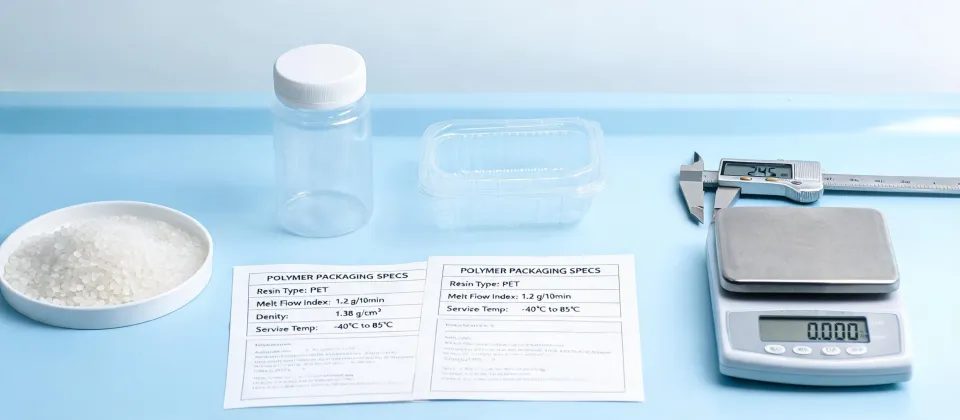
Plastic Thermoplastic Selection: It Depends on Your Situation
There isn't one "best" plastic thermoplastic. I know that's not the answer you want when you're searching for a material spec, but it's the truth. The right resin depends on whether your machine is down and you need a replacement part in 48 hours—or whether you're still designing and have time to compare every glossy datasheet.
I've helped coordinate more than 200 rush orders in the last eight years, including same-day turnarounds for manufacturing clients. In that role, I've learned that the cheapest option rarely turns out to be the cheapest. Let me walk you through three scenarios, so you can match your situation to the right approach.
The Three Scenarios
- Scenario A: You need a plastic replacement part now. The line is down, or the deadline is close enough that every hour matters.
- Scenario B: You're choosing a material for a new design. Two common names come up: PC and PP.
- Scenario C: You're working with a silicone mold and wondering how to clean it without damaging the surface.
Scenario A: When Time Is the Most Expensive Factor
When a production line stops, a standard lead time might as well be a year. In this scenario, you don't have room for a material experiment. If the original part was polycarbonate, a cheaper acrylic "equivalent" can crack under load. If the original was polypropylene, a different grade of PP might fail because of a processing difference you can't see.
This is where I'm a little biased toward checking specs before checking price. I don't have hard data on how many "will-fit" replacement parts fail in their first week, but based on the returns I've reviewed, I'd guess it's around 10-15%. That's a risky number when you're already behind schedule.
Here's something a lot of vendors won't tell you: their "polypropylene" might not match the exact polypropylene your part was designed for. Additives, fillers, and processing history all matter. So before you order, confirm the grade. If you're a jsp customer, the jsp website login is the quickest way to pull part specs and material callouts. The jsp login area also shows order status, which matters when you're waiting on a rush shipment.
Last March, an engineer called about a cracked part at 4pm. We paid a $300 rush fee to get a replacement on a truck that night. That $300 was annoying, but it was nothing compared to the $40,000 line-down cost they would have faced the next morning.
Scenario B: PC vs PP Plastic—When You Actually Have Time to Choose
If you're designing a new component, you have the luxury of asking better questions. What temperatures will the part see? Will it touch chemicals? Does it need to survive a drop?
PC (polycarbonate) is the material I reach for when impact resistance, clarity, or heat resistance matters. It's tough and transparent, but it can be sensitive to some solvents and doesn't love long-term UV exposure.
PP (polypropylene) is a lower-cost thermoplastic with good chemical resistance and excellent fatigue life. It handles flexing well, which makes it a common choice for hinges and containers. The tradeoff is lower heat resistance compared to PC.
It's tempting to think you can just compare unit prices. But identical-looking parts made from different grades can behave very differently in real service. A part that's $0.10 cheaper per unit might be the resin that swells in your process fluid. The price sheet won't show you that.
The same logic applies to "recyclable" claims. Per FTC Green Guides, a product can be called "recyclable" only if the recycling infrastructure is available to a substantial majority of consumers—at least 60%, according to the guidance. It's not enough that a resin is technically recyclable if your local hauler doesn't take it.
A quick breakdown of how I think about PC vs PP:
- Choose PC when you need impact strength, clarity, or higher heat tolerance.
- Choose PP for chemical resistance, fatigue resistance, or a lower-cost part where the temperature stays moderate.
- Be very careful with the word "equivalent." A close-enough material is often not close enough.
Here's a habit I've fallen into after years of watching buyers pick the lowest quote: the cheapest option has cost more in roughly 60% of the cases I've been involved with. Not always—sometimes the budget material is fine. But when it's wrong, the hidden costs pile up fast. A $200 savings on a bulk resin order turns into a $1,500 problem when parts crack, you pay expedited freight, and someone has to stand over the replacement.
Scenario C: How to Clean Silicone Molds Without Ruining Them
This one isn't about thermoplastic at all, but it comes up often enough that I'd be remiss not to include it. Silicone molds pick up grease, release agent, and tiny pieces of cured material. If you don't clean them properly, your next part can have surface defects.
Here's how I'd clean a silicone mold:
- Wash with warm water and mild dish soap. This handles most surface residue.
- If something greasier is left, use isopropyl alcohol—70% or 91%—on a soft cloth. It cuts through oil and evaporates without leaving residue.
- For a stubborn spot, make a paste with baking soda and water, then gently rub with a soft brush. Rinse and let it fully dry.
What I avoid: acetone, harsh abrasive pads, and any solvent that might degrade the silicone itself. I've seen a clean-looking mold suddenly stop releasing parts after being soaked in the wrong cleaner. I wish I had tracked that failure rate more carefully, because anecdotally it's more common than people admit.
How to Know Which Scenario You're In
If you're not sure which advice applies, ask three questions:
- Is a machine down or a deadline within 48 hours? Then you're in Scenario A. Don't fall in love with a cheap quote; focus on speed and verified specs.
- Are you designing a new part or replacing a material spec? That's Scenario B. Get the actual datasheets and compare total cost, not unit cost.
- Is the issue about a silicone mold or another elastomer tool? That's Scenario C. Clean it carefully and don't treat it like a plastic part.
After you've identified your scenario, the next step is usually the same: get the real material information. If you're a jsp customer, the jsp website has technical resources, and the jsp login portal gives you access to order details and part history. If you don't have a login, you can still find public material guides, but the specifics are behind the customer portal for a reason.
The Bottom Line
There's no universal answer to "what's the best plastic thermoplastic?" There's only the best answer for your situation. When time is critical, prioritize reliability and speed over price. When you're designing, prioritize material verification over a low quote. And when you're cleaning a silicone mold, prioritize gentleness.
Value over price isn't just a slogan. It's the reason a $300 rush fee can protect a $40,000 production day, and the reason a $0.10 per-part savings can disappear the moment a part fails. Choose your scenario, check the data, and then decide—because a thoughtful decision is almost always cheaper than a fast one.